
How to Pair Traditional Ales with Pub Classics
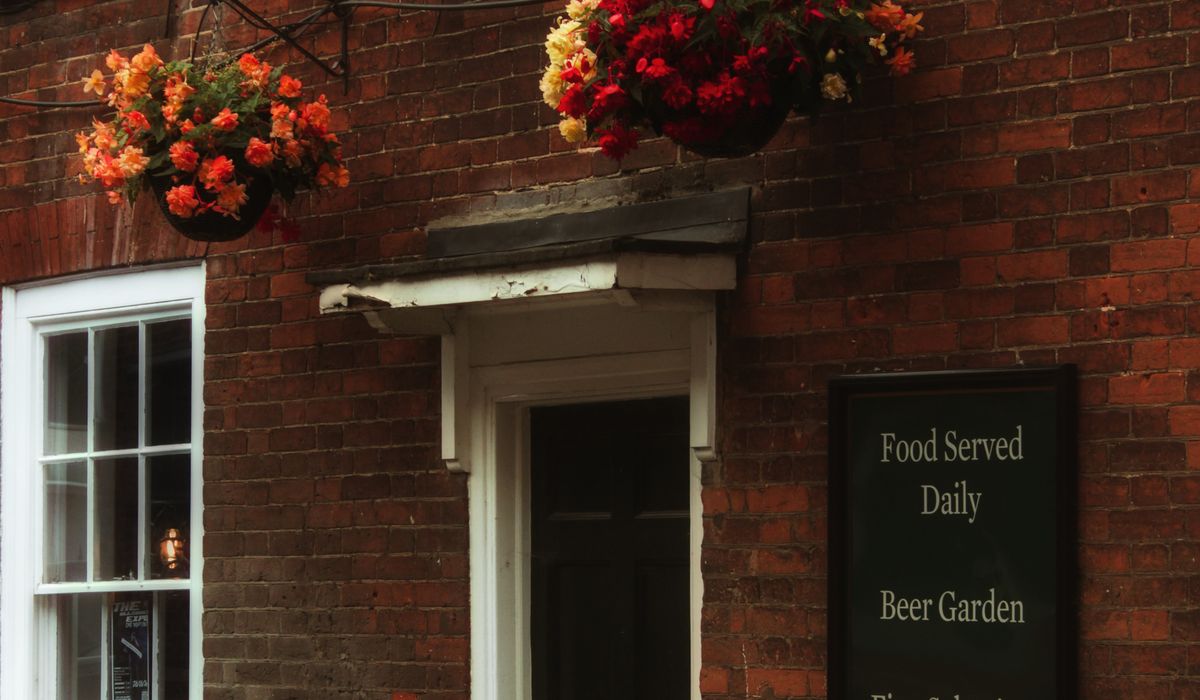
There are few pleasures more reliably British than settling into a worn wooden chair, a pint of something cask-conditioned within reach, and a plate of proper pub grub on the way. But the magic doesn't happen by accident. The right ale doesn't just wash down a steak pie or a battered haddock—it lifts it, cutting through richness, echoing maltiness, and making every bite taste more like itself. Get the pairing right and a simple supper becomes a small celebration.
The golden rules of pairing ale with pub classics
Think of ale as a condiment you drink. Its carbonation scrubs the palate; its bitterness slices through fat; its malt sweetness soothes salt and heat. Before you match a specific pint to a specific plate, hold onto three principles.
- Match weight with weight. A delicate golden ale will vanish beside a suet pudding, while a muscular best bitter will overwhelm a dressed crab.
- Cut through fat with bitterness. The hop-forward bite of a bitter is the traditional answer to fried fish, rich pies, and mature cheese.
- Complement, don't clobber. A mild's gentle chocolate notes love a ploughman's pickled onion; a golden ale's citrus zing lifts smoked mackerel pâté.
Remember that cask ale is served at cellar temperature—around 11–13°C—not ice cold. That warmth lets the malt and hop character speak, which is exactly what you need alongside hot food.
Bitter: the backbone of the British pub table
Bitter is the workhorse of the bar. Ranging from session-strength ordinary bitter (around 3.6–4.0% ABV) to premium best bitter (4.2–4.8%), it balances biscuity malt with earthy, spicy, or floral hops. That balance makes it astonishingly versatile.
With a steak and ale pie, a good bitter is almost a requirement. The ale's own malt notes mirror the pastry and the gravy, while its bitterness cuts the suet crust and the robust beef. If the pie contains mushrooms or a dark stout gravy, choose a best bitter with a touch more caramel sweetness. For fish and chips, an ordinary bitter is the classic. The carbonation is gentle, the hops are clean, and the bitterness resets your palate after each vinegar-slicked chip. Avoid anything too strong or too hoppy—an IPA will fight the batter.
Bangers and mash with onion gravy loves a bitter with a firm earthy hop finish. And a Sunday roast beef with horseradish? A best bitter is superb—the malt rounds off the meat's iron edge, and the hops echo the pepper of the horseradish.
Mild: the unsung hero for hearty plates
Mild is often overlooked, which is a shame. Dark, low in alcohol (3.0–3.6% ABV), and gently hopped, it brings cocoa, dried fruit, and a soft, almost creamy body. It is not a weak bitter; it is its own thing—and it is a brilliant food beer.
Pair mild with a ploughman's platter and watch it sing. The malt sweetness cradles a wedge of mature Cheddar, while its low bitterness lets the pickle and chutney shine. A slice of pork pie? Mild's gentle spice and toastiness are perfect. For steak and kidney pudding, mild's dark fruit softens the offal's intensity. Even a simple cheese and onion sandwich becomes a feast with a half of mild. Serve it a degree or two warmer than your bitter—12–14°C—to unlock its chocolatey depth.
Golden ales: bright and refreshing matches
Golden ales—pale, zesty, often with citrus or tropical hop notes—are the modern face of British brewing. At 3.8–4.5% ABV, they are crisp and quenching, but they can be too delicate for heavy dishes.
Use them for fish and chips when the fish is lightly battered and the chips are thin and crisp. A golden ale's carbonation and lemon-like hops are a natural substitute for a squeeze of lemon. Chicken and ham pie or a smoked haddock fishcake also work beautifully. And for a ploughman's built around softer cheeses—Brie, Wensleydale with cranberries—a golden ale is a better choice than bitter. Its brightness keeps the palate fresh. Avoid pairing golden ale with steak pie or anything heavily gravied; the ale will taste thin and lost.
Ploughman's platters: a case study in balance
The ploughman's is the ultimate test of pairing because it is not one dish but a whole landscape: cheese, ham, pickled onions, chutney, apple, crusty bread, maybe a pork pie. No single ale can flatter every element, so choose according to the star of the plate.
- Cheddar or Stilton dominant? Go mild. The malt sweetness tames salt and blue sharpness.
- Ham and pickles dominant? Go bitter. Hops cut the brine and the vinegar.
- Soft cheese, apple, and grape dominant? Go golden ale. Its fruit esters echo the apple and lift the creaminess.
If you are ordering for a group, a best bitter is the safest compromise. But if you can, get two halves and alternate. That is the pub way.
Order of service: temperature, glassware, and pacing
You have chosen your ale and your dish. Now do not ruin it with careless serving. Cask ale should be poured through a clean, cool glass—a nonic pint or a tulip if you have one. Never serve it ice-cold; 11–13°C for bitter and golden, 12–14°C for mild. If the pub offers a sparkler, that is a regional choice—northern drinkers like a tighter head, southerners often prefer a looser one. Neither is wrong.
Pace yourself. A pint of 4% bitter with a steak pie is a marriage; a pint of 6% IPA with the same pie is a shouting match. Start with a half if you are unsure. And remember the oldest rule of all: the best pairing is the one you enjoy. Ask the landlord or landlady for a taster. They know their cellar, and they know their kitchen. That conversation is half the pleasure.

4 Comments